
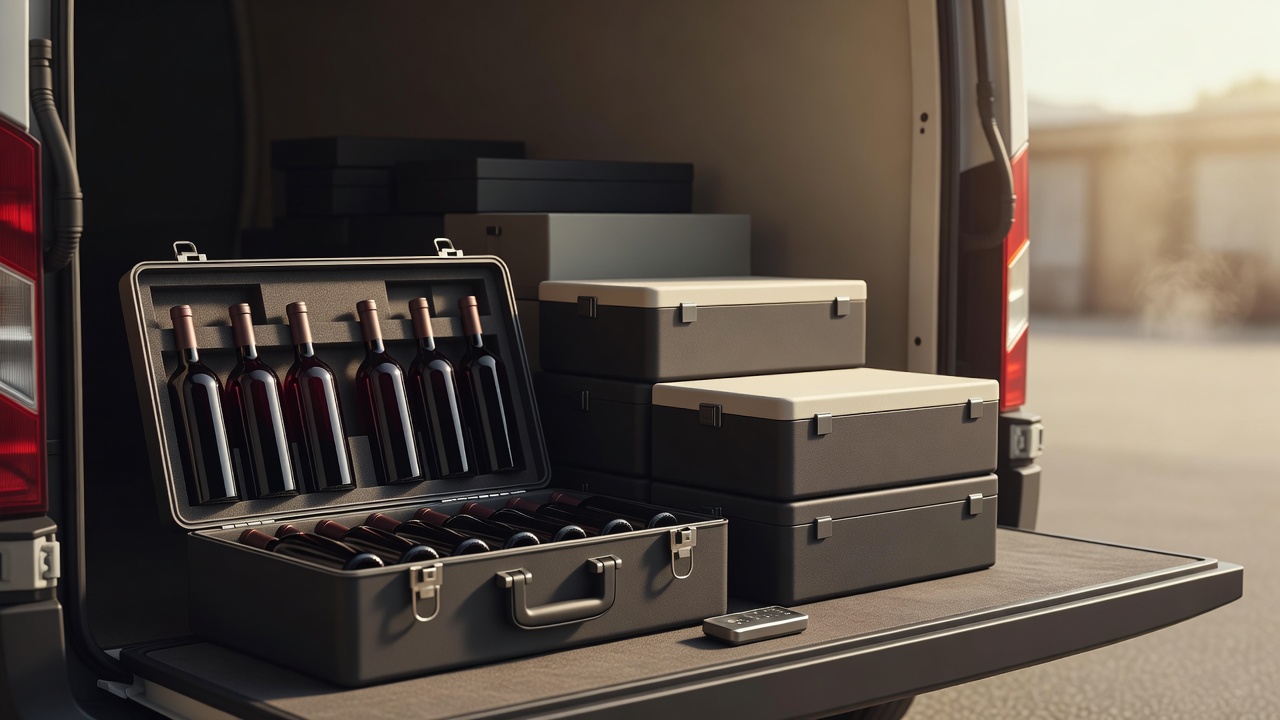
Wine shipping temperature becomes a serious logistics concern as soon as summer heat enters the forecast. A bottle can spend time on a loading dock, in a vehicle, or at a receiving location before anyone notices the exposure. For collectors, wineries, retailers, and gift senders in Boston and across New England, the safest plan considers the full route rather than relying on insulation alone.
Why summer changes the shipping decision
Warm weather adds risk at every handoff. A case leaving Massachusetts may encounter a hot pickup area, a delayed transfer in Connecticut, or a rural delivery route with fewer receiving windows. Rhode Island, New Hampshire, and other New England destinations can have very different pickup and receiving conditions, even when the distance looks short.
The right question is not simply whether a carrier accepts wine. Ask how long the bottles may wait, where they will be staged, whether the route can avoid the hottest part of the day, and what happens if a delivery attempt fails. A short, well-coordinated trip can be safer than a faster service with poorly timed holds.
Assess the bottles, route, and forecast together
Before booking, identify the bottle count, packaging format, replacement value, and sensitivity of the shipment. A single gift bottle, a retailer’s recurring case order, and a cellar relocation each need a different level of handling. Share the origin, destination, desired pickup date, and any receiving restrictions so the transport plan reflects the actual route.
- Check the forecast at pickup, transfer points, and delivery, not only at the origin.
- Allow extra attention for long routes, weekend exposure, remote destinations, and locations without immediate receiving staff.
- Decide whether a delay is safer than moving bottles during the hottest part of the day.
- Confirm who can receive the shipment and how quickly it can be moved indoors.
Weather monitoring is useful, but it is not a universal promise of temperature control. A route-specific review helps determine whether a standard parcel service is reasonable or whether dedicated handling is a better fit. For a route that needs it, climate controlled wine shipping may be considered, but the available equipment and lane should be confirmed in advance.
Packaging protects against impact, not every heat event
Use a rigid, properly sized box with bottle-specific inserts that immobilize the glass and keep bottles separated. For larger moves, cases should be secured against shifting during loading and placed where they will not sit in direct sun. Review the wine shipping boxes and packing guidance before packing unusual bottle shapes or mixed cases.
Insulation and cold packs may slow temperature change, but they do not make a shipment continuously refrigerated. They also cannot correct for a prolonged warehouse hold or a hot vehicle. Ask the provider what materials and handling steps are appropriate for the forecast and route instead of assuming one packing method works for every shipment.
Time pickup and receiving as carefully as transit
Schedule pickup when staff can complete the handoff without leaving cases outside. Avoid creating a shipment that arrives just before a weekend, holiday, or closed tasting room unless the receiving plan is confirmed. A recipient should have a clear delivery window, an adult available when required, and a cool indoor location ready before the driver arrives.
For a winery or shop, document the case count and condition at pickup and receiving. For a collector, keep the inventory and declared value available so a discrepancy can be identified immediately. If conditions change, a planned hold or rescheduled departure may protect the bottles better than forcing the original timeline.
When a standard carrier label may be insufficient
Standard parcel shipping can work for some short, well-timed shipments when the sender is licensed, the destination permits the shipment, packaging is compliant, and the recipient is ready. It may be a poor fit for a valuable collection, a large recurring order, a complicated pickup, or a summer route with multiple transfers and limited receiving flexibility. The UPS and FedEx carrier comparison can help clarify where parcel services fit, but it does not replace route planning.
Dedicated wine transport may offer more coordinated pickup, fewer handoffs, or a temperature-managed option on selected routes. The phrase temperature controlled wine shipping describes a service that is not universal, so do not assume every provider or lane offers refrigerated service. Confirm the actual equipment, staging locations, monitoring process, insurance terms, and contingency plan before booking.
Questions to ask before booking
- What temperature-related handling is available for this origin, destination, and date?
- Where will the bottles wait during pickup, transfer, and delivery?
- How are weekend holds, weather delays, and failed delivery attempts handled?
- Which packaging, insurance, licensing, and adult-signature requirements apply?
- Who is responsible for documenting condition at each handoff?
If your shipment needs temporary storage before or after transport, coordinate that step rather than leaving cases in an uncontrolled space. A specialist such as wine storage may be relevant when the receiving date and final move do not align.
Plan the summer route before you pack
Good wine shipping temperature planning connects forecast, packaging, pickup, staging, transit, and receiving into one practical schedule. Whether you are sending a gift from Boston, moving a collection from Massachusetts, or comparing wine shipping new england options for a broader route, request a route-specific review instead of relying on a generic promise. Request a wine transport quote with your bottle count, locations, dates, and receiving constraints so the plan can match the real summer conditions.