
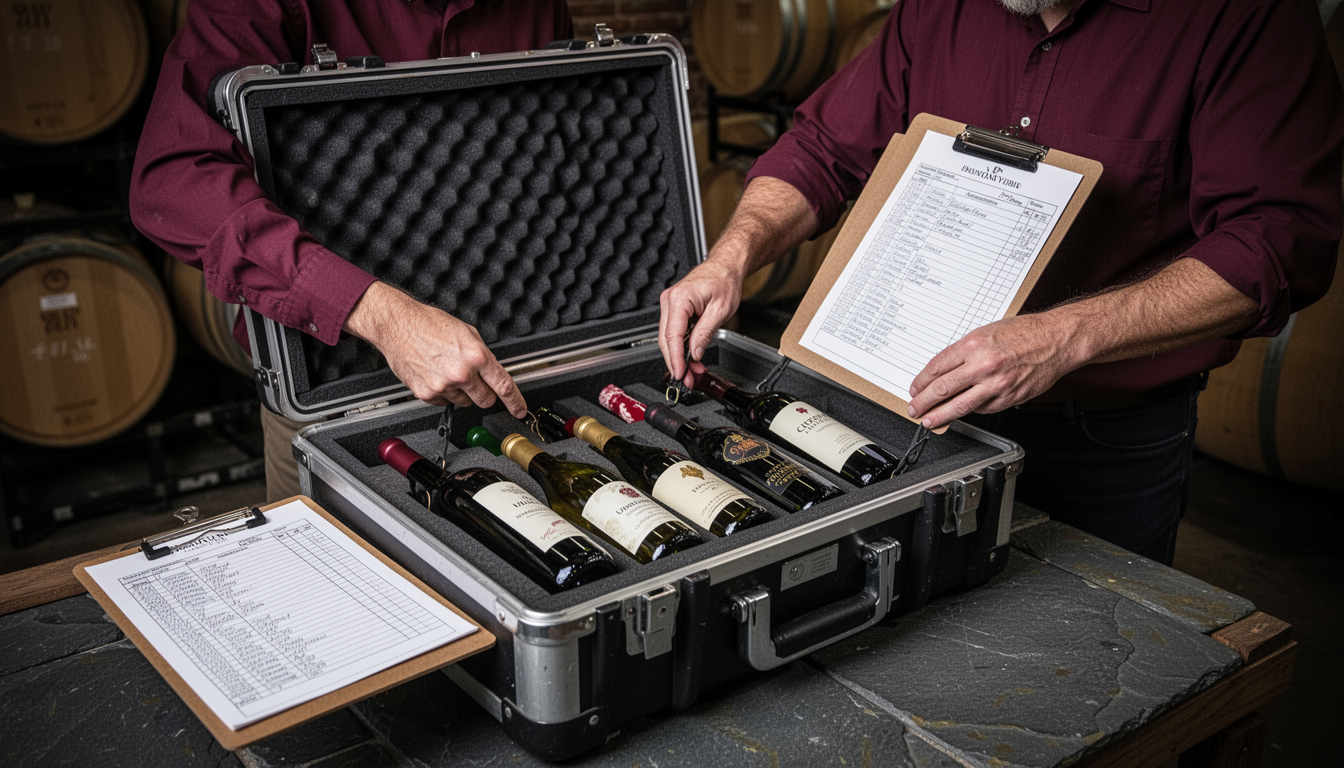
Fine wine transport is a different job from sending an ordinary parcel. Valuable bottles, mixed formats, older labels, and a full cellar need a plan for inventory, handling, weather, custody, and delivery, not just a box and tracking number.
For a collector moving from Boston or elsewhere in Massachusetts, the right service should make each handoff visible and give the bottles a reasonable chance of arriving in the same condition as pickup.
Start with the shipment, not the carrier
A specialist begins by asking what is moving, where it is going, and what makes the collection difficult. A few standard bottles may fit a licensed parcel process, while a cellar with high-value cases, Burgundy shapes, magnums, or irreplaceable older vintages may call for coordinated wine transport services.
That distinction matters on a route from Massachusetts to another New England state, or on a longer move toward a destination such as Napa Valley, California. A quote should reflect the actual case count, distance, access conditions, timing, and handling requirements.
Build a bottle-level inventory before pickup
Export or review your cellar record before anything is packed. Confirm producer, vintage, format, quantity, approximate value, fill level, visible label condition, and any existing damage. Photograph unusual or especially valuable bottles, and keep a copy of the final inventory with the person coordinating the move.
- Separate standard 750 ml bottles from magnums and other formats.
- Flag fragile packaging, wax seals, exposed capsules, and bottles that need upright handling.
- Record case counts and identify which cartons contain the highest-value items.
- Agree on how discrepancies will be documented at pickup and delivery.
This record supports a clean custody handoff and helps a shipper plan loading order instead of discovering exceptions after the truck is already being packed.
Use packing that matches the bottle
Secure wine shipping depends on immobilizing each bottle and preventing glass from contacting glass or the outer carton. Dividers and fitted inserts should support the bottle body, neck, and base, with enough structural strength for stacking and movement. A generic moving carton is rarely a substitute for wine-specific packing.
Mixed collections need extra attention. Burgundy bottles may not fit an insert designed for Bordeaux shapes, and a magnum requires a different cell and weight calculation. Ask whether the service supplies appropriate wine shipping boxes, who packs them, and whether packed cartons are inspected before loading.
Plan around New England weather
Heat and cold can affect a shipment before it leaves the cellar, while it waits at a dock, or during the final delivery window. Good planning may include a weather hold, shorter staging time, insulated packing, a temperature-aware route, or delivery during a more suitable part of the week. No responsible provider should promise uninterrupted temperature control without explaining exactly what is controlled.
This is particularly important across seasonal routes involving Rhode Island, Connecticut, and New Hampshire. Ask who decides whether conditions justify changing the schedule.
Confirm insurance and custody in writing
Wine transport insurance is not a phrase to accept without details. Request the current policy terms, valuation method, exclusions, claim documentation requirements, and the point at which responsibility transfers between the sender, transport provider, storage facility, and recipient. Coverage can vary by service and shipment, so do not assume that a declared value equals a guaranteed reimbursement.
Also confirm the custody process. The pickup record should identify the inventory and visible condition, while delivery should include recipient verification, an adult signature when required, and notes or photographs for exceptions. If the collection needs to wait before or after transport, review secure wine storage before or after transport with the storage provider.
Ask what the quote actually includes
Before booking, compare the scope of each quote rather than looking only at the total. A useful proposal should state whether it includes packing, pickup labor, stairs or difficult access, storage, weather monitoring, scheduled delivery, unpacking, inventory reconciliation, and claims assistance.
- Which team handles the bottles at pickup, transfers, and delivery?
- What packing materials and bottle formats are included?
- How are weather delays and delivery appointments managed?
- What documentation is provided at each custody handoff?
- Which costs are estimated and which depend on the final shipment?
Review the company’s wine transport and shipping solutions, then use the shipment details to request a fine wine transport quote. A specialist should be comfortable answering operational questions without forcing you into a one-size-fits-all service.
Receive the collection methodically
Have the recipient available for the appointment and prepare a cool, secure place for the bottles before the truck arrives. Check carton counts first, then compare the inventory and inspect outer cartons for crushing, moisture, or leakage before opening. Photograph exceptions and note them on the delivery record before signing if the process allows.
After unpacking, verify bottle identity, seals, labels, and visible condition against the pickup record. If you need coordinated delivery or another transport option, a provider that understands wine shipping and delivery coordination can help clarify the next step.
When specialist transport is the better choice
Choose fine wine transport when the collection’s value, formats, timing, distance, or condition sensitivity make a standard parcel label too limited. The strongest wine transport services will explain the tradeoffs, document custody, plan for New England weather, and give you a shipment-specific quote. That preparation helps protect both the bottles and the confidence you have in the move.