
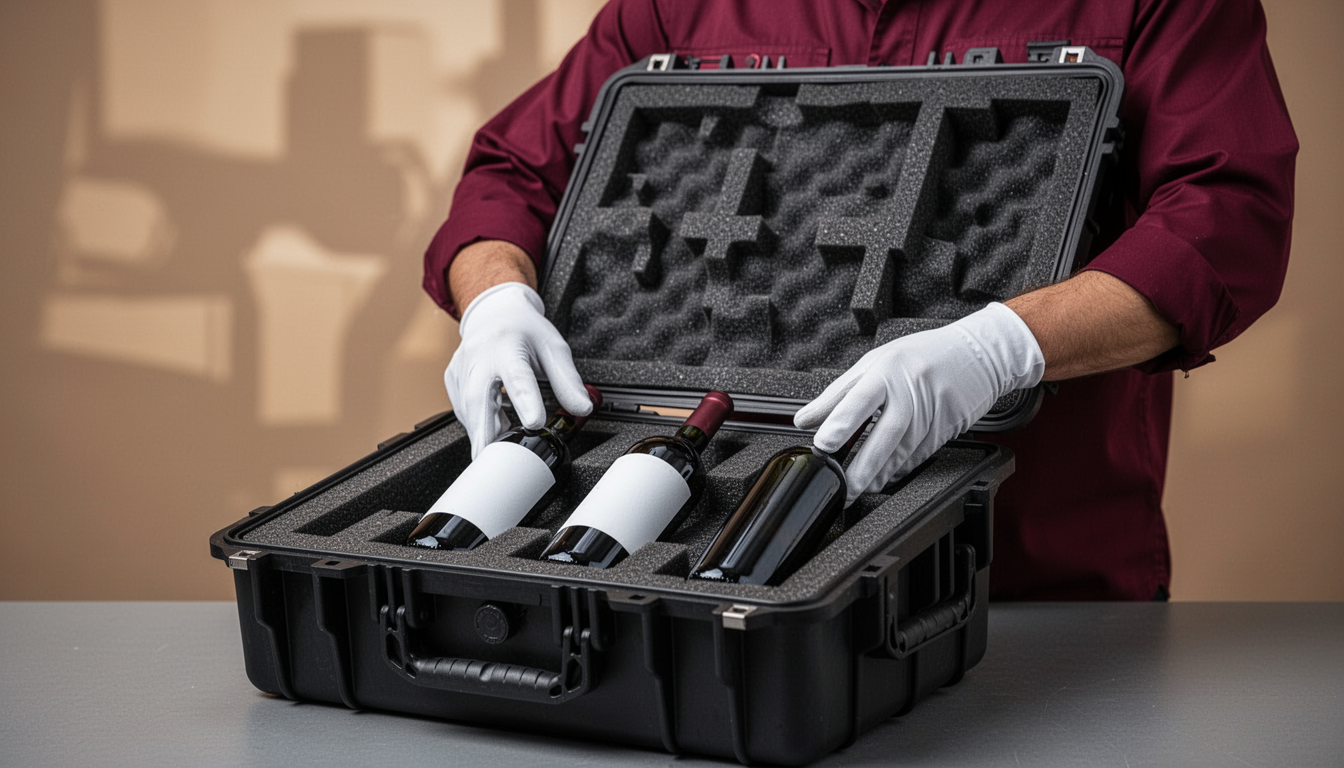
White glove wine shipping is designed for bottles that need more than a label, a box, and a handoff to a parcel network. It is a managed process for valuable collections, unusual bottle formats, sensitive routes, and shipments where condition and communication matter as much as transit time.
For a collector moving a cellar from Boston to another state, or a New England winery sending a high-value order nationwide, the right question is not simply whether a carrier can accept the package. It is whether the shipment has enough oversight from inventory review through receiving. That extra oversight is the foundation of secure wine shipping, especially when a damaged or delayed bottle would be difficult to replace.
When standard parcel shipping may be enough
A licensed shipper using an authorized service, compliant packaging, adult-signature procedures, and a suitable delivery window may be practical for a small, straightforward order. A few standard 750 ml bottles with modest value and a flexible destination can often move efficiently when the sender has confirmed the applicable rules.
That option becomes less comfortable when the shipment includes mixed bottle shapes, large-format bottles, rare labels, a full cellar, or a route exposed to extreme heat or cold. Parcel networks can involve multiple handling points, and standard service does not automatically mean temperature control, specialized receiving, or coverage for every kind of loss.
What white glove handling adds
White glove service puts a person or specialized team in charge of the decisions that are easy to miss when shipping is treated as a one-time label purchase. The process commonly starts with a bottle-level inventory, declared values, pickup conditions, destination requirements, and a conversation about timing.
- Inventory control: Confirm bottle counts, formats, vintages, values, and any bottles that need separate treatment.
- Protective packing: Immobilize each bottle in purpose-built inserts, use a strong outer carton or crate, and account for shape, weight, and neck protection.
- Weather planning: Choose staging and transit timing around seasonal conditions, with a hold or alternate window when the route creates avoidable exposure.
- Managed movement: Coordinate pickup, tracking updates, delivery appointments where available, adult-signature requirements, and the receiving handoff.
- Documentation: Record the shipment condition and inventory so questions can be investigated against a clear baseline.
These steps do not create a guarantee of perfect condition. They do create a more controlled chain of custody and a clearer response when weather, delay, damage, or a delivery exception changes the plan.
Temperature and weather deserve a real plan
Wine shipping in New England can involve rapid changes between a heated warehouse, a cold loading dock, and a warm delivery vehicle. A white glove plan should state what temperature protection is actually included on the route, rather than using “climate controlled” as a blanket promise.
Ask when bottles will be packed, where they will wait before pickup, how weekend delays are avoided, and what happens if a forecast makes the original window risky. A weather hold can be more responsible than forcing a shipment onto a truck simply to meet an assumed date.
Compliance, signatures, and insurance
Alcohol shipping is not a one-rule process. Sender eligibility, destination permissions, carrier authorization, labeling, taxes, and adult-signature requirements can vary, so confirm the current requirements for every route before booking. A managed provider should explain which party is responsible for each compliance step.
Insurance also needs plain-language review. Ask whether the terms address breakage, loss, temperature exposure, declared value, exclusions, and the evidence required for a claim. Do not assume a policy covers market value or every form of condition damage.
Choosing the right service for a New England route
For pickup in Massachusetts, ask whether the provider can coordinate the actual location, access instructions, case count, and receiving schedule instead of offering only a label. The same planning applies to routes involving Rhode Island, Connecticut, New Hampshire, and the wider New England region, but service area and timing should be verified for the specific origin and destination.
Review the provider’s wine transport and shipping solutions alongside its packing method, communication process, and claims terms. If the move is complex, request a wine shipping quote that identifies bottle count, value, route, season, service level, and receiving details.
Collectors may also compare the shipping plan with secure wine storage when a destination is not ready. For broader planning around wine shipping and delivery, confirm who owns the shipment at each stage and how exceptions are communicated.
A practical decision test
Choose white glove wine shipping when the cost of uncertainty is higher than the premium for planning and oversight. That usually means a valuable or irreplaceable collection, mixed formats, a long or weather-sensitive route, a tight receiving window, or a shipper that needs recurring visibility across nationwide wine shipping.
Before you approve the move, get the route, handling steps, expected timing, signature plan, temperature approach, declared value, insurance exclusions, and exception process in writing. The result should be a shipment plan that is specific enough to protect the bottles and calm enough to manage when real-world logistics do not follow the original schedule.