
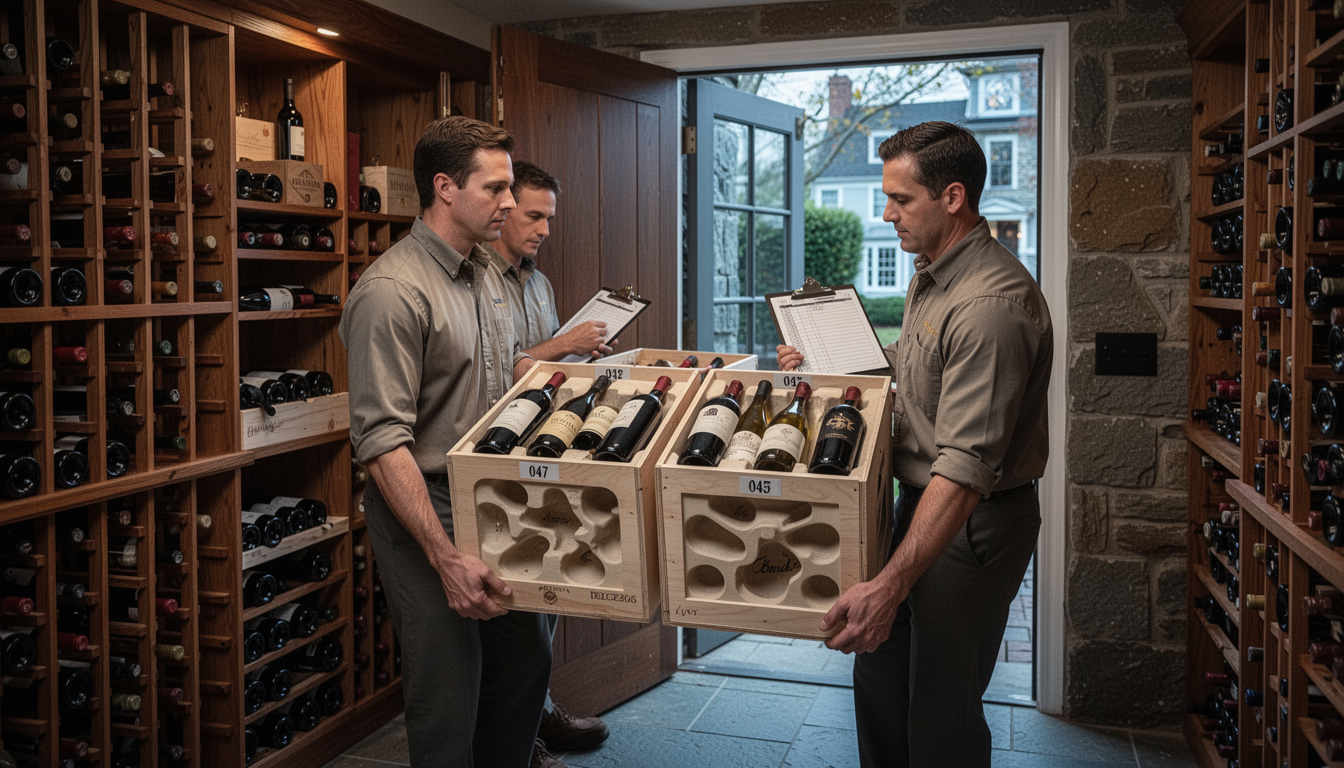
Choosing wine movers in Boston is less about finding a truck and more about managing a chain of custody for fragile, temperature-sensitive inventory. Moving a wine collection from a Boston-area cellar to another New England home, a storage facility, or a destination across the country needs a plan for identification, packing, timing, documentation, and delivery. The right wine moving service boston collectors choose should explain each handoff before a single bottle leaves the cellar.
Start with a bottle-level inventory
Begin with a current export from CellarTracker or your preferred cellar record. Reconcile producer, vintage, bottle size, quantity, condition notes, purchase value, and intended destination, then separate bottles that need special attention, such as large formats, unusually shaped bottles, older labels, or wines with visible seepage. Photograph the collection and keep a copy of the inventory with the person coordinating the move.
This list becomes the reference point for packing and receiving. It also helps a wine transport boston provider build an accurate quote instead of estimating from a rough case count. If the collection is stored in more than one room or location around Massachusetts, record the source location for each group so nothing is missed during pickup.
Match the service to the move
A few sturdy cases may fit a licensed parcel-shipping process, subject to the rules of the origin, destination, shipper, and carrier. A larger cellar relocation usually benefits from dedicated handling, especially when the collection includes high-value bottles, mixed case sizes, a long route, or a delivery appointment that cannot be missed. Ask prospective wine movers boston clients are considering how they immobilize bottles, stage the load, handle transfers, and communicate exceptions.
Dedicated transport is not automatically the best answer for every shipment, but a carrier label alone does not describe who packs the wine, where it waits, or how temperature exposure is managed. A useful provider will explain the tradeoffs between parcel, consolidated, and dedicated options in writing. For a broader overview of wine transport and shipping services, compare the service scope with the actual needs of your collection.
Pack by bottle shape and case plan
Use purpose-built wine packing materials with individual cells or molded inserts that hold each bottle firmly. Do not leave empty space around a bottle, mix heavy and fragile formats without a plan, or assume a standard moving carton offers the same protection as a wine-specific pack. Keep cases within a manageable lift weight and label each case with a simple identifier that matches the inventory.
- Group bottles by destination, format, and handling priority.
- Record the case number, bottle count, and any visible condition issue.
- Seal and stage cases only after the inventory has been checked against the contents.
- Keep the collection out of direct sun, hot vehicles, and unconditioned staging areas.
For collectors who need storage before or after a move, coordinate the receiving environment before pickup. A specialist such as secure wine storage can be evaluated separately from the transport provider, but the two teams should agree on access, appointment timing, case labeling, and who is authorized to accept delivery.
Plan around Boston and New England weather
Boston moves can encounter summer heat, winter cold, coastal weather, and rapid temperature changes within one route. Ask how the provider plans pickup and delivery windows, protects the load during staging, and decides whether conditions warrant a hold or revised appointment. Avoid treating a generic “climate controlled” label as a guarantee; ask what control exists at each stage and what happens when a shipment is delayed.
Schedule loading when the cellar and access path are ready. Clear stairs, elevators, parking areas, and building rules in advance, and give the crew enough time to handle cases rather than rushing them through a narrow doorway. Framingham and Stoughton pickups may have different access constraints than a downtown Boston building, so provide photos or written instructions when the route is quoted.
Confirm custody, value, and compliance
Before booking, request a written description of custody from pickup through delivery. Confirm who counts the bottles, who signs each handoff, how exceptions are recorded, and how a damaged or missing bottle is reported. Review the provider’s insurance terms, valuation requirements, exclusions, and claim process rather than assuming a homeowner or carrier policy covers the full collection.
Alcohol transport and delivery requirements vary by route and shipment type. Verify eligibility, licensing responsibilities, adult-signature requirements, destination restrictions, and any documentation needed before the move begins. If the plan includes shipping to a different state, ask the provider to confirm the current route requirements instead of relying on a general rule.
Make receiving part of the relocation
Prepare the destination before the truck arrives. Have a stable, suitable place for the cases, the inventory, a flashlight, and enough time to inspect bottles without creating a rushed handoff. Count cases first, then reconcile bottles against the inventory and note damaged packaging, wet cartons, label damage, or signs of leakage before signing.
Let bottles rest according to the receiving plan before opening them, particularly after a long move. Keep all paperwork, photos, delivery notes, and claim correspondence together. If you need a route-specific plan, request a wine transport quote with the case count, origin, destination, timing, access details, bottle values, and any special formats.
The best wine collection relocation is predictable because the work is visible before pickup: accurate inventory, protective packing, weather-aware scheduling, documented custody, and a prepared receiving site. That process gives Boston collectors a clearer basis for comparing wine movers and choosing the level of care their bottles require.