
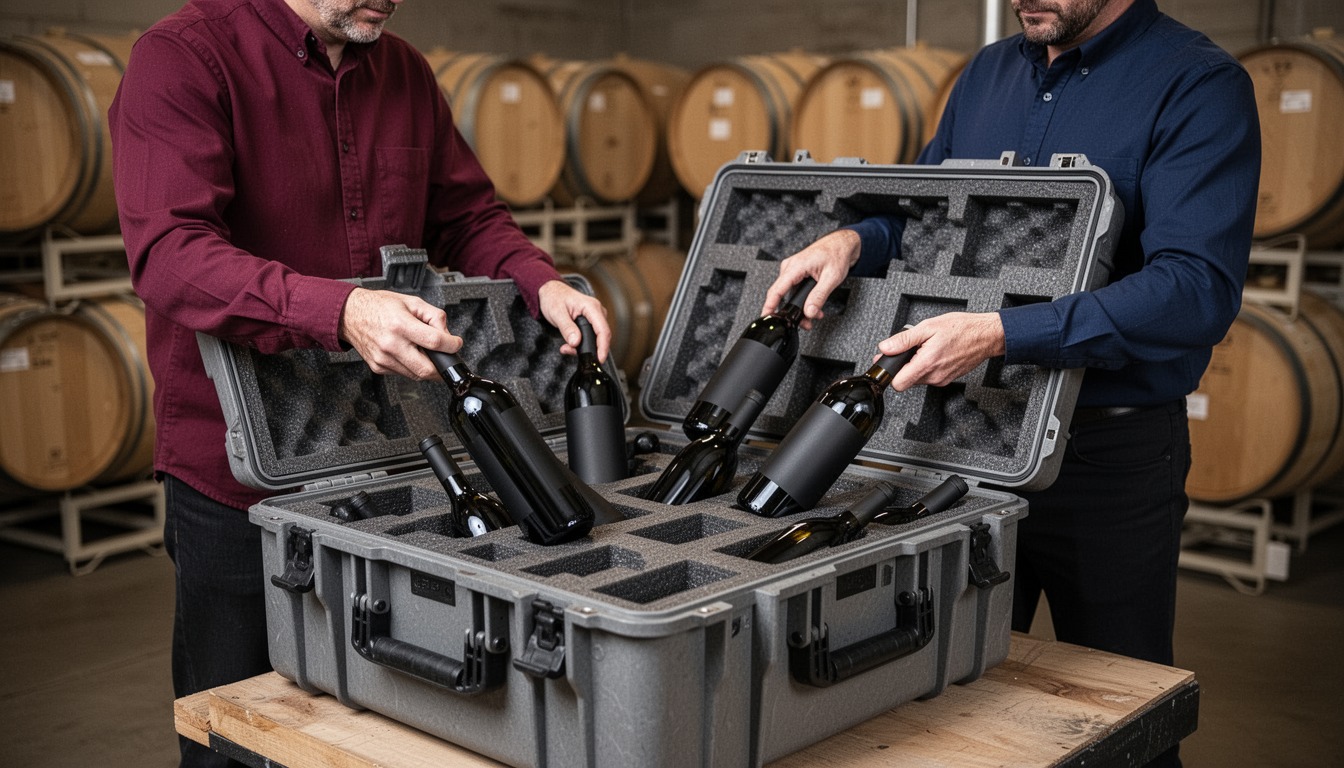
Wine shipping to New York is a route-planning exercise, not simply a matter of printing a label. Businesses comparing wine shipping new york options, and wineries, retailers, or collectors in Boston, Massachusetts, Framingham, or Stoughton, may need to coordinate sender eligibility, destination requirements, packaging, seasonal conditions, custody, and receiving before a bottle leaves the cellar. The safest plan is the one that puts each requirement in writing before pickup.
Start with the shipment profile
Build the quote around the actual move. Record the pickup address, New York destination, bottle count, bottle formats, total cases, approximate value, and whether the shipment is a sale, a gift, or a personal collection relocation. Include unusual shapes, large formats, mixed cases, open cartons, and bottles that need special handling.
For a winery or retailer, also identify the licensed seller, the intended recipient, and the person authorized to receive the shipment. For a private collector, prepare an inventory export or spreadsheet that identifies producer, vintage, bottle size, quantity, and declared value. This information gives the carrier or specialist enough detail to recommend the right service rather than guessing from a case count.
Confirm eligibility before booking
Alcohol-shipping rules depend on the sender, the recipient, the transaction, and the destination. Do not assume that a Massachusetts license, a previous shipment, or a familiar carrier automatically covers a New York delivery. Confirm the specific shipment date, destination address, required documentation, adult-signature process, and any carrier conditions with the responsible licensed party and service provider.
A reputable wine transport team should be able to explain which parts of the process it handles and which approvals remain with the shipper. Ask for those responsibilities in the quote, including who verifies the address and who handles an exception if the recipient is unavailable.
Choose parcel shipping or dedicated transport
Parcel shipping can suit a small, standardized shipment that is already packed in approved protective packaging and can move through a carrier network under the shipper's account and terms. It may be less suitable when the collection is valuable, the bottles vary in shape, the pickup requires cellar access, or the shipment needs appointment-based, door-to-door handling.
Dedicated transport is often the better comparison for a multi-case collection moving from New England to New York. When comparing wine transport new england options, look for a provider that can coordinate pickup, reduce unnecessary transfers, and create a clearer chain of custody. The exact service level still needs confirmation. Ask whether the provider offers temperature-aware routing, how bottles are secured, what happens during a weather hold, and where the shipment is stored between legs. Treat every feature as a term to verify, not an assumed promise.
Protect bottles from impact and weather
Use a rigid, properly sized carton with a purpose-built insert that immobilizes each bottle. The package should prevent glass from touching glass, leave no space for bottles to shift, and remain stable when lifted. Heavy bottles, Burgundy shapes, magnums, and mixed formats may require different inserts or separate packing plans.
Temperature is a route decision as much as a packing decision. New England winters, summer heat in Massachusetts, and temperature swings on the road can affect wine before a driver arrives. Keep packed cases out of direct sun and unconditioned staging areas, ask about weather holds, and avoid planning pickup or delivery when the shipment would sit unattended for an extended period. A specialist can discuss practical options, but confirm the actual temperature policy in writing.
For additional planning context, review the sister site's wine shipping and delivery information and consider whether interim wine storage is needed before the New York delivery appointment.
Document value, custody, and receiving
Photograph the collection before packing, retain the final inventory, and note the condition of labels, capsules, closures, and cartons. Match case identifiers to the inventory so the recipient can reconcile what was picked up with what arrived. For higher-value collections, ask how the provider records custody at pickup, transfer points, and delivery.
- Confirm declared value, exclusions, claims deadlines, and whether coverage is carrier liability or separate transport protection.
- Share access instructions, parking restrictions, stairs, elevator details, and a reliable contact at both addresses.
- Set a delivery appointment so an adult who is authorized to receive the shipment can inspect it promptly.
- Record visible damage, wet cartons, missing cases, or temperature concerns before signing, following the provider's claims procedure.
What a useful quote should include
Compare quotes on the same facts: case count, bottle formats, addresses, access conditions, service level, packing responsibility, weather plan, custody records, insurance terms, appointment process, and exception handling. A low line-item price is not useful if it excludes packing, a difficult pickup, storage, or a second delivery attempt.
For a Boston pickup, a wine transport boston provider should explain how it handles access, staging, and handoff before booking. When the route, collection value, or timing makes the shipment difficult to standardize, contact the logistics team with your inventory and access details. The goal is a clear plan for moving wine from Boston or another New England pickup point to New York, with compliance responsibilities and bottle protection agreed before handoff.