
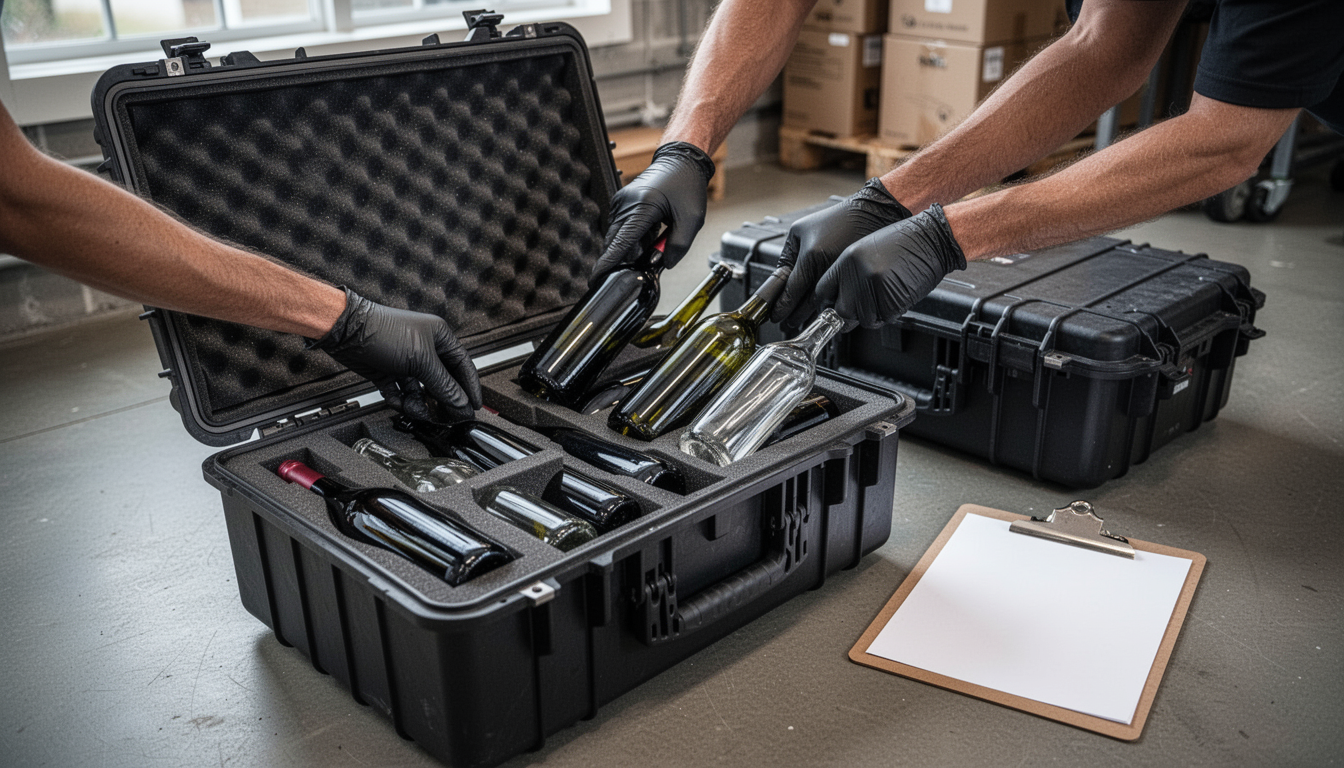
Wine transport in Connecticut is a collection move, not simply a box with a carrier label. A cellar relocation or multi-case shipment needs a documented handoff from pickup through delivery so bottles stay identified, protected, and accounted for. That matters whether the collection starts in Greenwich, Hartford, or New Haven, or is being coordinated with a Massachusetts pickup and a destination elsewhere in New England.
When dedicated wine transport is the better fit
Parcel shipping can be appropriate for an eligible, properly packed shipment when the sender, destination, carrier account, packaging, and adult-signature requirements have all been confirmed. It is a different proposition from moving dozens or hundreds of bottles from a cellar. A dedicated plan can coordinate inventory, access, staging, custody, delivery timing, and exception handling instead of leaving each case to a standard carrier workflow.
Ask for a service plan when the collection includes mixed bottle formats, valuable or fragile labels, a narrow delivery window, stairs or a long carry, or a move between a Connecticut home and a new residence. A National Wine Transport quote should be based on the collection, route, access conditions, and requested handling, not just a case count.
Start with an inventory and valuation record
Before anyone packs a bottle, reconcile the collection. Export or review your cellar inventory, then verify producer, vintage, format, quantity, location, and replacement value. Mark bottles that are boxed together, stored individually, or set aside for separate handling. Photograph unusual bottles, labels, capsules, and existing condition issues so the pickup record describes what was actually received.
- Record the total bottle and case count by location.
- Separate standard bottles from magnums, half bottles, large formats, and odd-shaped packaging.
- Identify bottles that require upright handling or special inserts based on their shape and presentation.
- Keep a signed inventory and note any changes at pickup and delivery.
This record gives a collector a practical control document and helps a winery, retailer, or importer reconcile recurring Connecticut moves. It also makes a later question about loss or damage easier to investigate.
Use bottle-specific packing and controlled staging
Wine shipping boxes or professional wine moving boxes should immobilize each bottle with a fitted insert and provide enough structural strength for the load. Do not substitute ordinary household moving cartons, loose paper, or a box that allows bottles to touch. Pack by compatible size and shape, seal cases securely, and label each case against the inventory rather than relying on memory.
Staging is part of the plan. Keep packed wine out of direct sun, garages, hot vehicles, and freezing exposure while pickup is being arranged. New England weather can change quickly, so ask how the proposed pickup and route account for heat, cold, and delays. Do not assume that a service is temperature controlled unless that handling is specifically described and confirmed in writing.
Plan the Connecticut pickup as a handoff
Provide the pickup address, parking restrictions, loading distance, stairs, elevator details, access codes, and a contact who can release the collection. Clear a safe path before the crew arrives. If bottles are coming from a Boston-area or Massachusetts cellar, coordinate the origin details separately so the driver has one accurate set of instructions for every stop.
At pickup, compare the count with the inventory, note visible carton or bottle condition, and document who accepted custody. For a multi-stop or business shipment, keep commercial paperwork and any required licenses or approvals with the responsible parties. Alcohol shipping and transport rules can vary by origin, destination, license status, and service method, so confirm the current requirements before booking rather than treating this article as legal advice.
Confirm insurance and delivery before loading
Review the quote and policy terms for declared value, exclusions, deductibles, claim deadlines, and the evidence required if a bottle arrives damaged. Insurance is not automatic, and a carrier's standard liability may not match the collection's value. Ask specifically what is covered during loading, transit, storage or staging, and final delivery.
Set the delivery appointment before the collection leaves Connecticut. The receiving location should have a clear path, suitable indoor space, and someone authorized to inspect and sign. If you need secure staging before the final appointment, International Wine Vault wine storage is a relevant option to review with the logistics provider.
Receive, reconcile, and close the move
Inspect cases before signing, compare seals and labels with the inventory, and record exceptions immediately. Open questionable cartons promptly, photograph damage without discarding packaging, and follow the agreed claim process. Do not leave valuable wine unattended on a porch or in an unsecured common area.
The right wine movers Connecticut collectors choose will explain the custody chain, packing method, weather plan, documentation, and receiving process before pickup. If your move involves a related parcel or direct-to-consumer handoff, review the International Wine Vault wine shipping and delivery resource and contact National Wine Transport with your bottle count, origin, destination, access details, and timing. A qualified wine moving service Connecticut collectors can evaluate should make those details visible before the first case is loaded.